WORLD TOWN PLANNING DAY; MEP TAKES A LOOK AT HOW THE PLANNING SYSTEM IN A EUROPEAN CITY SUCCESSFULLY LEADS THE WAY IN SUSTAINABLE MOBILITY.
8 November 2023
To mark World Town Planning Day, the MEP team enjoyed an ‘academic’ visit to Utrecht; a city known as the cycling capital of the world. With MEP leading the current proposals for eco new towns at both Sharpness and Shipton, where emphasis is placed firmly upon sustainable mobility, the MEP team gained inspiration from this bicycle friendly city.
A city with medieval origins, Utrecht is the fastest-growing Dutch city in the Netherlands. The city has had to facilitate this growth within the same limited public space and a denser built environment. In meeting this challenge, Utrecht planners have refused to set aside enormous amounts of space for cars. Instead of roads dominated by cars, and vasts amounts of space set aside for the parking of cars, the city is characterised by mobility channels which are dominated by bicycle paths and footpaths giving priority to pedestrians, cyclists and public transport resulting in well-developed bicycle infrastructure.
The Infrastructure
The MEP team visited the Stationsplein Parking facility which has a capacity of 12,500 bike park spaces. Located adjacent to the largest public-transport hub in the Netherlands, cyclists can cruise from the street down a ramp and into their bike parking spots, and from there, walk onto a train platform, thus encouraging those commuting into Utrecht to use public transport and bikes.
Jaarbeursplein is an additional bike park also located near the station accommodating 5,000 spaces. It clearly works; the local government of Utrecht has confirmed over 125,000 cyclists enter the city centre every day, making Utrecht’s bikeways amongst the busiest of the Netherlands.
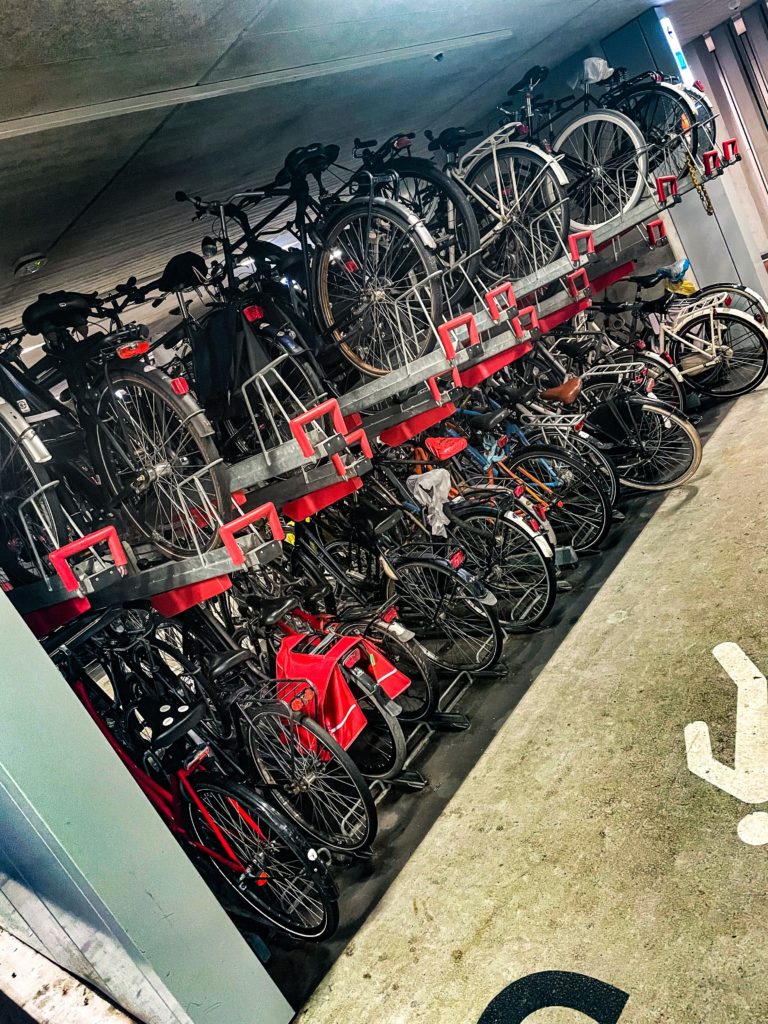
Stationsplein Parking facility
The provision of more liveable space
With the car losing its dominant position on many of the roads, more liveable space has been created. This is particularly evident in areas around the historic canals where the removal of former car parking spaces has freed up land for alternative uses such as tree planting, seating out areas for cafes and bars and broader pavements for pedestrians. A canal once buried by a highway in the 1970s has been returned to its original form with planting, pedestrian and cycle tracks replacing the roads.
Of great interest to the team was the Dafne Schippersbrug, which is an extraordinary multi-use bridge-bike path that uses the roof of an elementary school as its foundation; further evidence of how utterly normalized cycling has become.
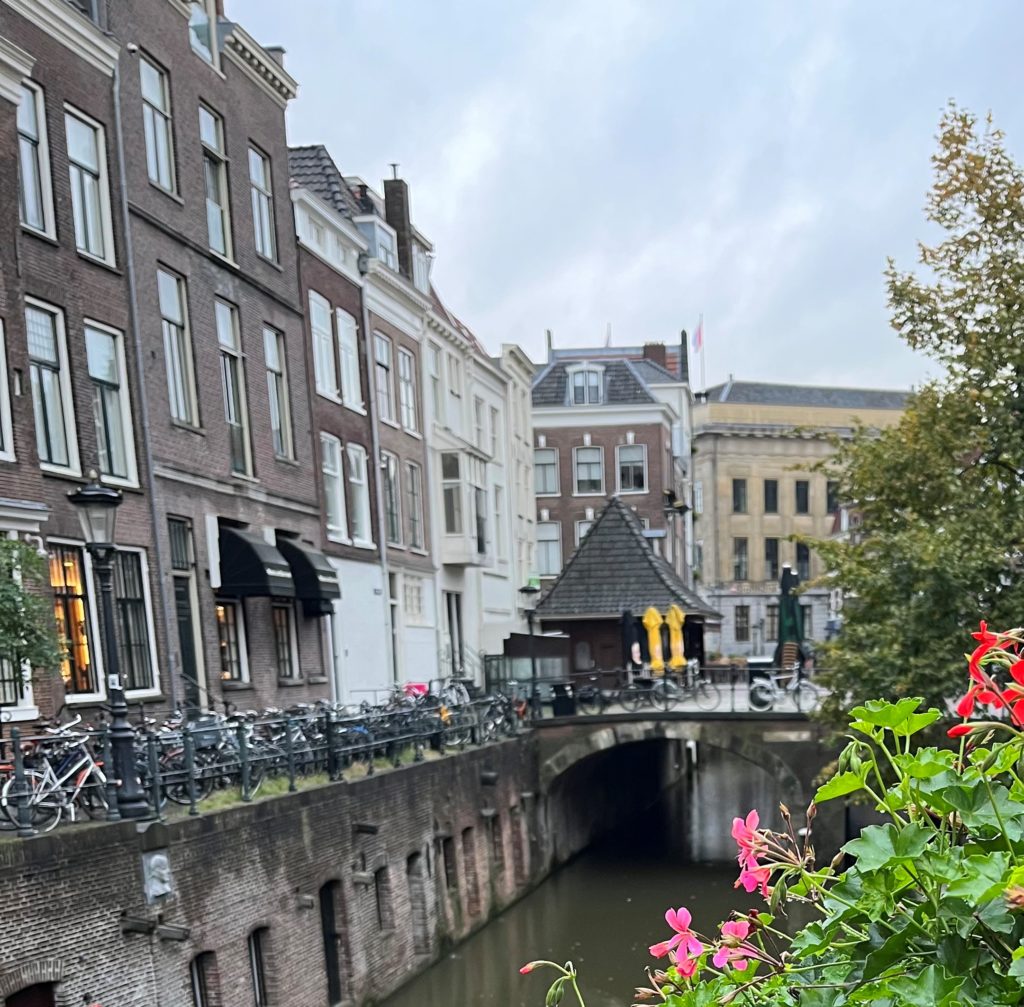
The historic canal with bike parking adjacent
Making for a more attractive historical centre
The Mariaplaats is a historical street in the centre of Utrecht where the properties are currently in residential and commercial use. Here the lack of car parking spaces along the street has allowed for broader pavements and safer cycling, whilst also allowing for the enhancement of the buildings, the majority of which are of heritage significance.
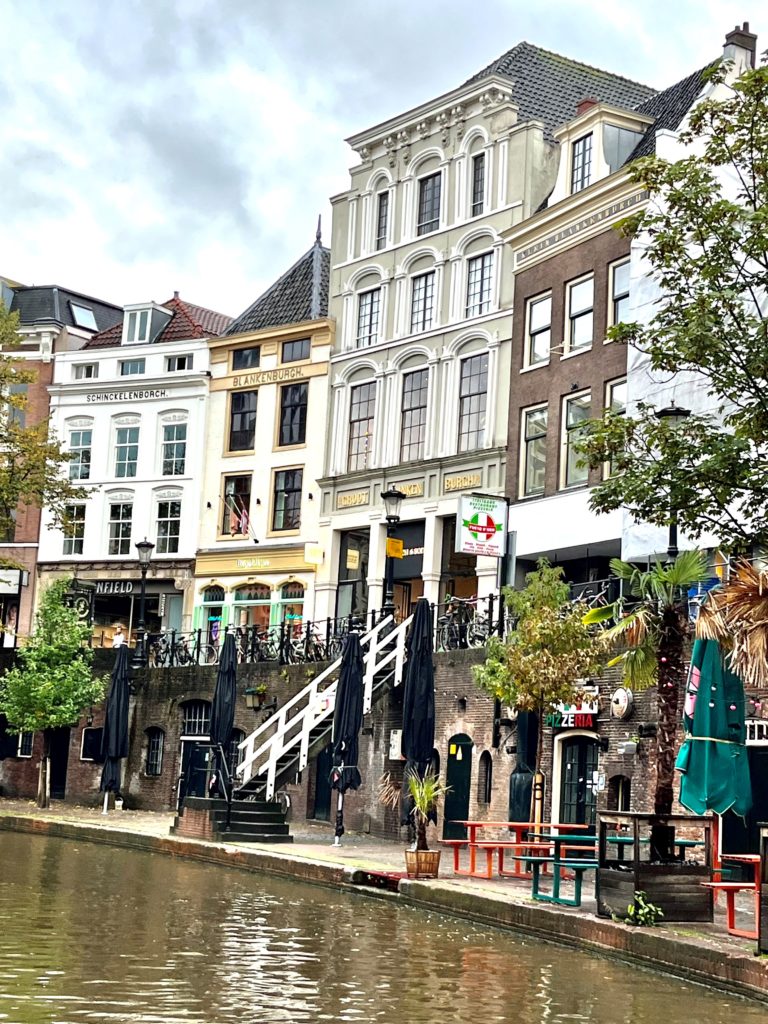
The historic centre of Utecht
Costs v Benefits
Research shows that during the 1970s, the rising number of children killed in traffic related incidents sparked a wave of activism and protests, which brought attention to the folly of streets designed for cars. Rising petrol prices and the environmental movement helped bolster national policies to reorient urban centres towards walking, and cycling.
It is evident that specialised bike paths and parking facilities give the bike riders the upper hand over cars which, according to the Utrecht local authorities, make up less than 15 percent of trips into city centre. Some 60 percent of trips currently happen in the saddle.
But the costs of building and maintaining Utrecht’s enormous bike-based mobility network, which the city aims to double by 2030, have brought on much-larger windfall of social benefits, according to the local government. The savings from reduced air pollution and healthcare costs are estimated to be worth about £250 million annually.
The savings don’t stop there: The number of cyclists and pedestrians killed in traffic has plummeted in recent years. As Van Hooijdonk told the New York Times: “Cycling is like a piece of magic: It only has advantages.”
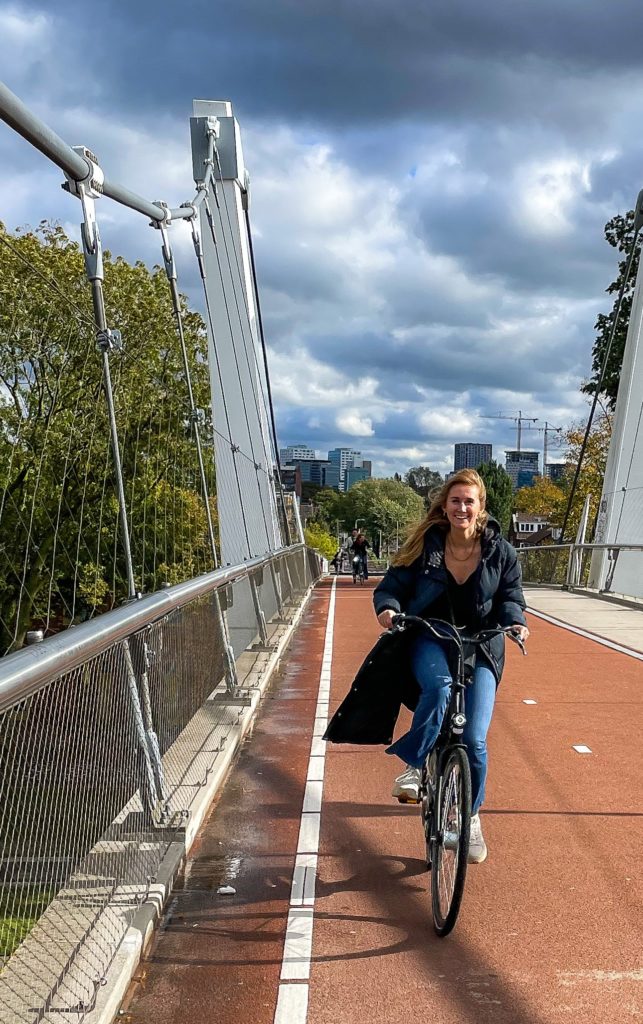
The Dafne Schippersbrug, a multi-use bridge bike path
What can we learn from Utrecht.
The MEP team were indeed inspired by the sustainability of the system within Utrecht. It is this bike and pedestrian dominance which we are seeking to incorporate within the Sharpness and Shipton Eco towns, ensuring sustainability at its highest possible level. As planners we must learn to share and adopt success stories such as the transport planning system in Utrecht in order to ensure that cities increase their levels of sustainability.
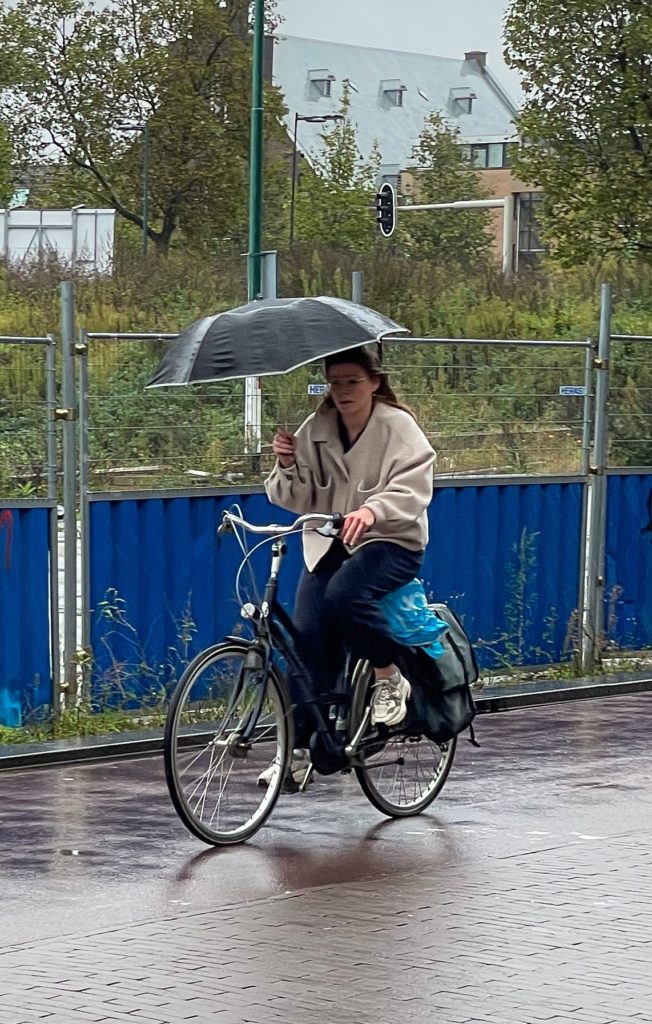
Cycling whatever the weather
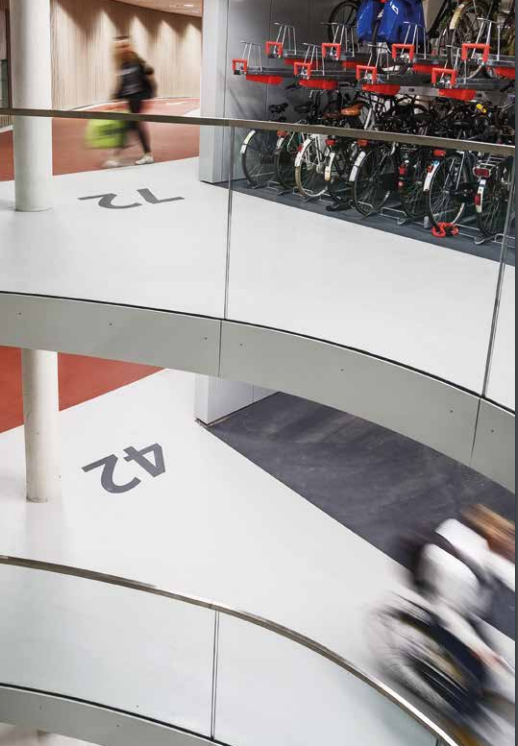
Stationsplein Parking facility
Other News
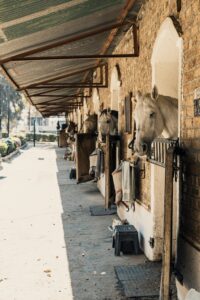
Retrospective planning permission has been secured for over 2,250 m2 of equestrian buildings, including ancillary accommodation, at Kilsby Grange, Northamptonshire. MEP were instructed by a private client to regularise the position on site following an enforcement enquiry by West Northamptonshire Council. The site comprises an established residential property in the open countryside with associated equestrian […]
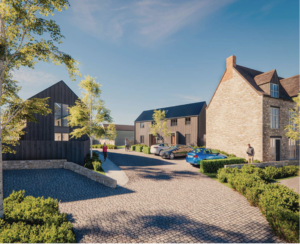
On behalf of Renishaw PLC, the MEP team is delighted to have secured permission for the conversion of two existing buildings to 5 dwellings alongside the erection of 4 new dwellings in the town centre of Wotton-Under-Edge. The existing buildings, which were formerly a schoolhouse and an office building, comprise one Grade II listed building […]
The Government has today (17 August 2026) published a new version of the National Planning Policy Framework (NPPF). It follows the draft NPPF published for consultation on 16th December 2025 and replaces the previous NPPF published in 2024. This article provides a summary of the main changes and looks at the implications of these reforms upon developers, […]